
Is Mobile Massage Safe?
Mobile massage is generally safe when you book a qualified, insured and professional therapist. This guide explains what to look for before booking, helping you recognise whether a mobile massage service is legitimate, trustworthy and safe.
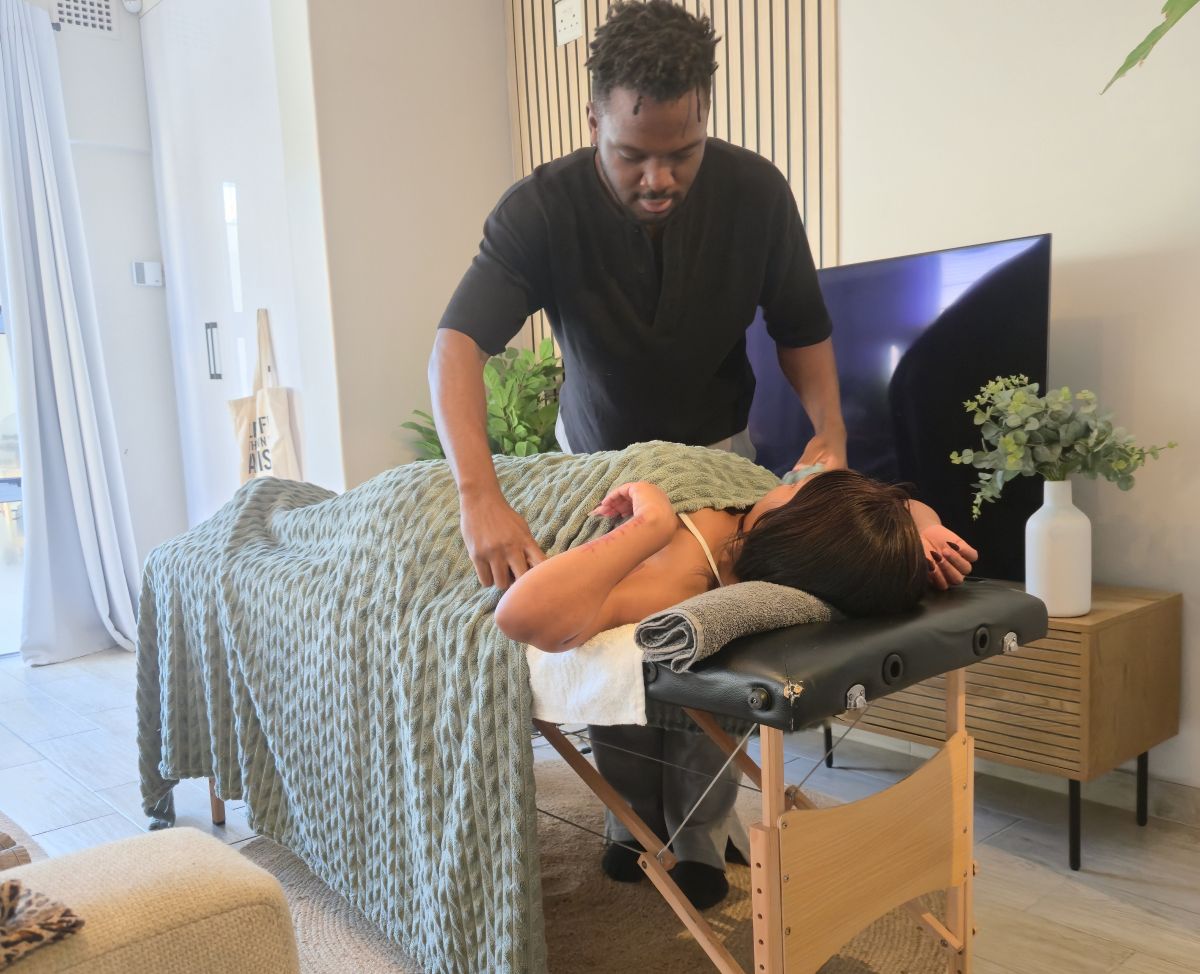
Booking a mobile massage for the first time can naturally feel a little unfamiliar. Inviting someone you've never met into your home is different from visiting a clinic or spa, and it's completely reasonable to want reassurance before making that decision.
For most people, mobile massage is safe when it’s done professionally — with a qualified therapist, clear communication, legitimate reviews, and proper credentials. Feeling hesitant the first time is normal. It usually just means you’re being sensible.
Why Some People Feel Hesitant
Most people are used to going to a therapist: to a studio, a spa, or a clinic. That environment feels familiar and neutral. When the therapist comes to you instead, the dynamic shifts slightly, and it can take a moment to adjust to that.
There's also the reality that not all mobile massage providers operate with the same level of professionalism. Like any industry, there's a spectrum; from highly qualified therapists running genuine businesses, to individuals who are far less professional in how they present themselves and work.
Knowing the difference is what matters.
What to Look for in a Legitimate Provider
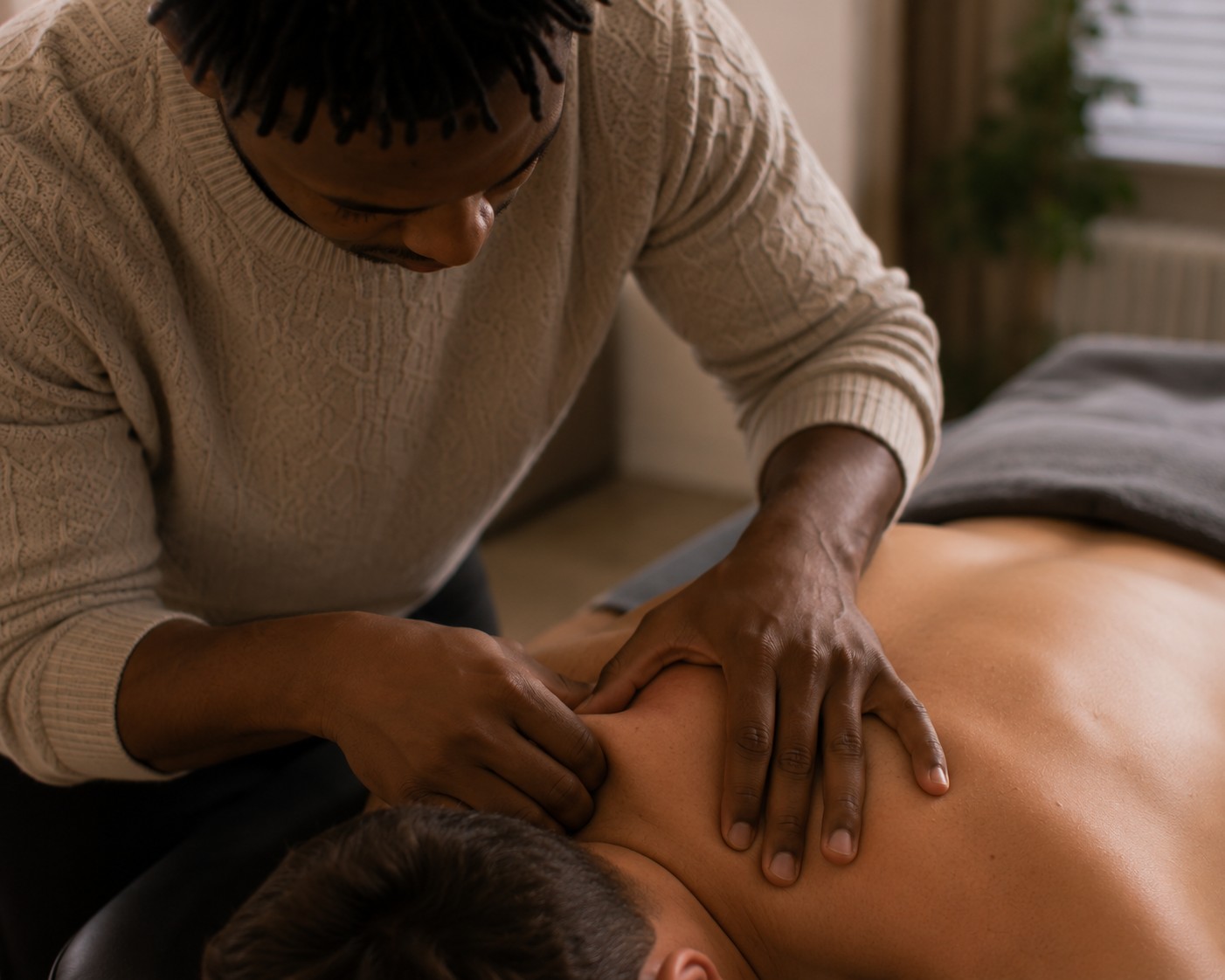
A professional mobile massage therapist will have no difficulty providing evidence of their qualifications and credentials. They should be registered with a recognised industry body, hold a current first aid certificate, and carry professional liability insurance.
At Coventry Recovery Studio, those qualifications, registrations, insurance and professional standards are openly available before you book. Visit Our Professional Standards to learn more.
Beyond the paperwork, look for:
- A proper online presence, like a website, active social profiles, or a listing on a reputable directory
- Genuine client reviews on Google, Facebook, or a booking platform
- A professional and transparent communication style when you reach out
If a provider is vague about their qualifications or doesn't appear to have any verifiable online presence, trust that gut instinct and look elsewhere. There are plenty of excellent, professional mobile therapists to choose from.
Ask Questions Before You Book
A professional therapist won't be uncomfortable with questions. In fact, most expect them, especially from first-time clients. Before your appointment, it's completely reasonable to ask:
- Where they trained and whether they are registered
- What the session will involve
- What you need to have ready at home (a flat surface, towels, space for the massage table)
- Their cancellation and payment policy
If any of these questions are met with evasiveness or irritation, that tells you something. A good therapist is used to new clients who want to feel comfortable before they open their front door.
What a Normal Session Usually Looks Like
A mobile massage appointment follows essentially the same structure as one in a studio. The therapist arrives, sets up a portable massage table, and gives you a moment to get settled. If you're wondering what to expect during your first mobile massage appointment, we've put together a step-by-step guide covering everything from booking to the therapist leaving your home.
They'll go through a brief consultation (your health history, any areas of tension or injury, your preferences for pressure) before the session begins.
You remain covered throughout, with only the area being worked on exposed. The therapist should be professional and respectful of your space.
When the session ends, they pack up their equipment and leave. In most cases, the whole visit feels surprisingly normal. The awkwardness people sometimes imagine beforehand usually disappears quite quickly once the session begins and the professionalism becomes clear.
Professionalism and Respecting Boundaries
A qualified therapist understands professional boundaries clearly. Their job is to provide a therapeutic service, nothing more. If at any point during a session something feels inappropriate or uncomfortable, you are completely within your rights to ask the therapist to stop or to end the session.
This applies in a studio just as much as it does at home. The setting doesn't change your right to feel safe and respected.
Trust Your Instincts
If you've done your research, checked the credentials, read the reviews, and had a professional exchange before the appointment, and something still doesn't feel right when the therapist arrives, it's okay to trust that feeling.
You can ask questions at the door. You can choose not to let someone in. You are not obligated to go ahead with a booking if something feels off.
That said, the vast majority of mobile massage experiences are completely positive. Most people who try it once end up preferring it to visiting a studio.
Why Many People Don’t Go Back to Studios
Once you've had a good mobile massage, the appeal becomes obvious. There's no travel, no parking, no waiting room, and no drive home after you've been half-asleep on the table. You simply stay where you already are; in your own environment, with your body already beginning to slow down.
For people with busy schedules, limited mobility, or young children at home, mobile massage goes beyond simply being convenient: it’s genuinely the better option.
In many ways, modern life keeps people permanently braced without them even realising it; physically, mentally, and emotionally. Why is my body tense all the time? explores this idea in more depth.
The key is simply choosing well. Take a few minutes to do your research, ask a couple of straightforward questions, and trust your instincts. For most people, the hesitation fades after the first session and what remains is the realisation that being able to fully switch off in your own home simply makes sense.
One of my fear has always been welcoming someone into my place, this article is very reassuring at some degree
Hey Chloe,
It’s completely understandable as it’s not an easy task. Hopefully, the article provide you some ways of vetting a legit massage therapist.
This also resonate with me.. The world is a crazy place and you could never know who to trust. Great article nonetheless.
What if the massage therapist makes you feel uncomfortable in your own home? Even if it was done unintentionally, how do I navigate around that?
Even if it wasn’t intentional, your comfort in your own home comes first. If something doesn’t feel right, you’re always within your rights to speak up, ask for an adjustment, or end the session. A professional therapist will respect that without question.
Although its hard to differentiate the good massage therapist to the one because on paper, everything may check out, but on the day, something could go wrong.. At least this article was insightful and it toughts me few ways of watching out for myself.